

THE PROBLEM
The craft cocktail movement has revitalized the art of the drink, but it has also tethered modern bars to a 19th-century bottleneck: the hand-shaken cocktail. While the ritual is romantic, the reality of manual production in a high-volume environment is a quiet crisis for your bottom line.
To understand why Gas Flow exists, we must first look at the multi-dimensional failure of the "old school" way.
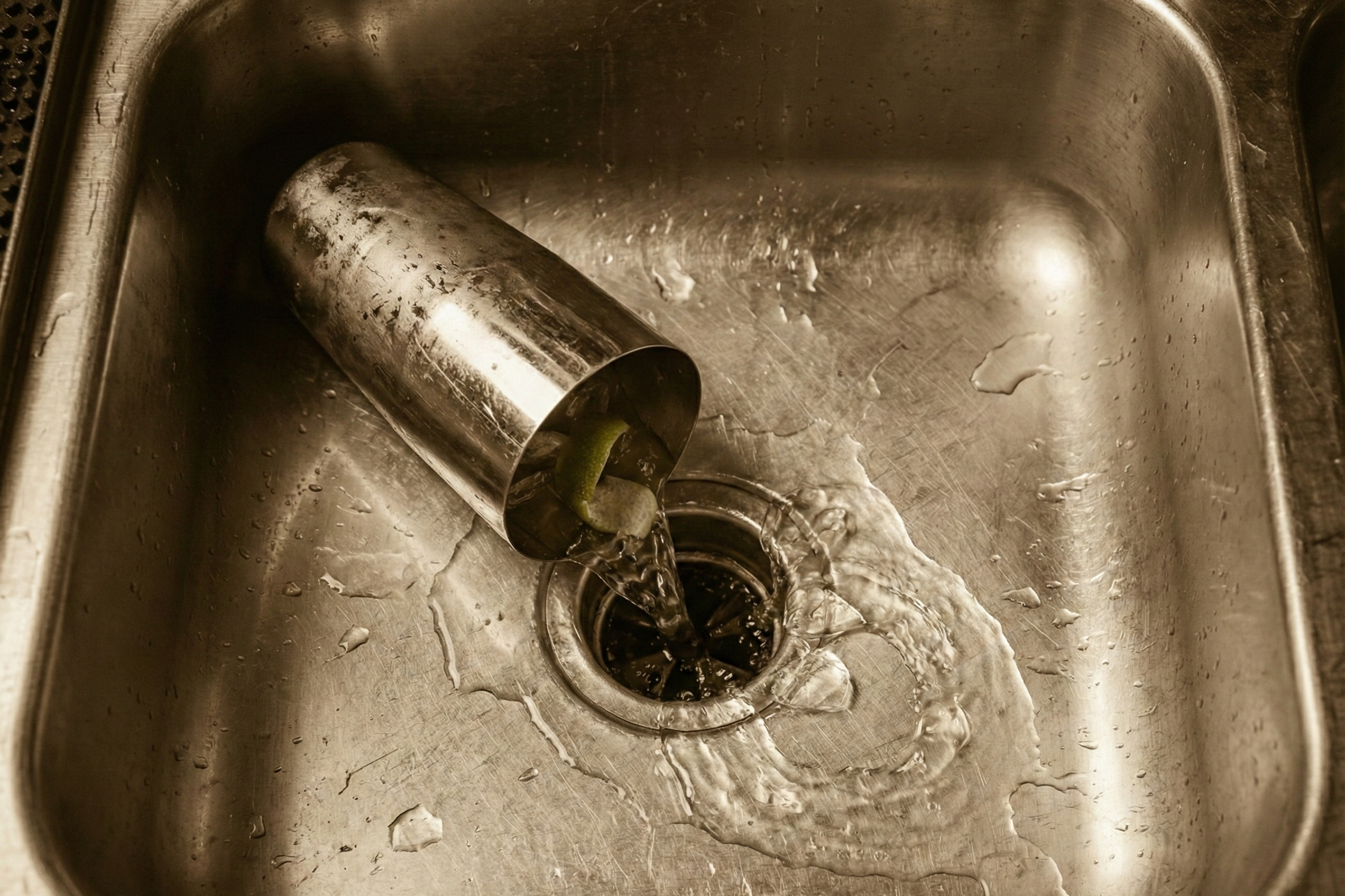
The Cost of "Close Enough"
Precision is the enemy of the manual pour. Even a seasoned bartender, under the pressure of a Friday night rush, struggles with the surgical accuracy required for complex builds.
The Invisible Drain: A slight over-pour of premium spirits or house-made syrups might seem negligible, but scaled over a year, it represents thousands in lost profit.
The "Dump" Factor: A single forgotten ingredient or a heavy-handed pour means the entire tin gets dumped. These human errors are rarely tracked, but they are clearly visible in your shrinking margins.
Resource Waste: The constant cycle of rinsing and sanitizing shaker tins consumes massive amounts of water and chemicals, creating a messy, "wet" workspace that is as inefficient as it is wasteful.
The "Bartender Lottery"

Consistency is the cornerstone of brand loyalty. However, hand-shaking introduces a variable that is impossible to standardize: the human element.
Skill Gaps: A drink made by your head mixologist rarely tastes like the one made by your newest hire. Not to mention when you add ice into the equation, the speed and shake variables greatly impact dilution.
Predictability: When regulars only order specific drinks from specific staff members, you haven’t built a brand—you’ve built a dependency. New customers are left with an unpredictable experience that fails to guarantee a return visit.
The Labor Math Deficit
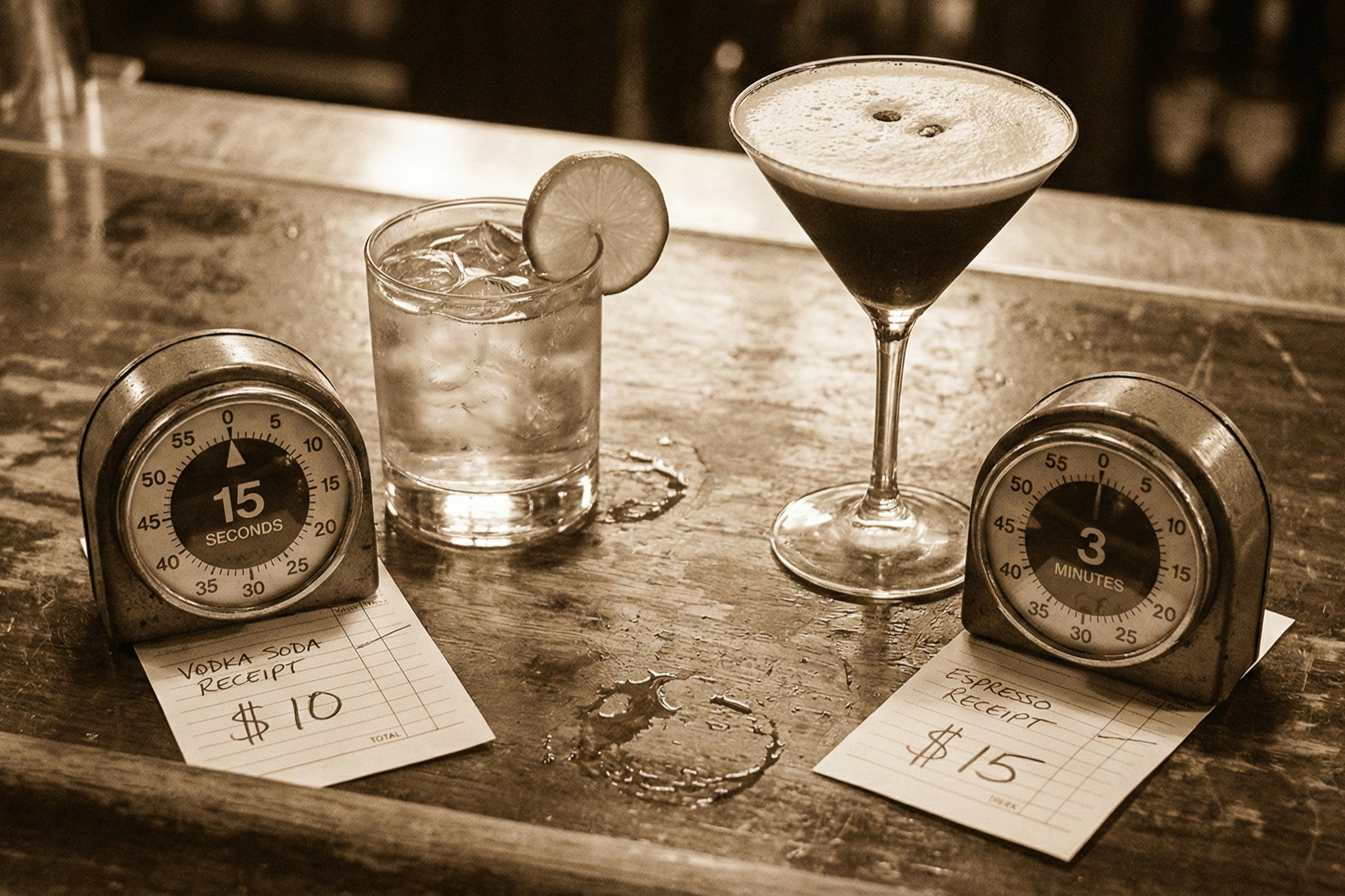
In a busy bar, time is your most expensive inventory. The math behind manual shaking simply doesn't add up for a growing business:
15 Seconds vs. 3 Minutes: A $10 Tito’s & soda is a high-margin, 15 second transaction. A $15 Espresso Martini that requires three minutes of building, shaking & cleaning actually yields a lower hourly ROI.
Service Gridlock: When one bartender is occupied for minutes on a single drink, the "well" backs up. This creates a physical bottleneck that slows down service for the entire restaurant, not just the bar guests.
The Human Toll
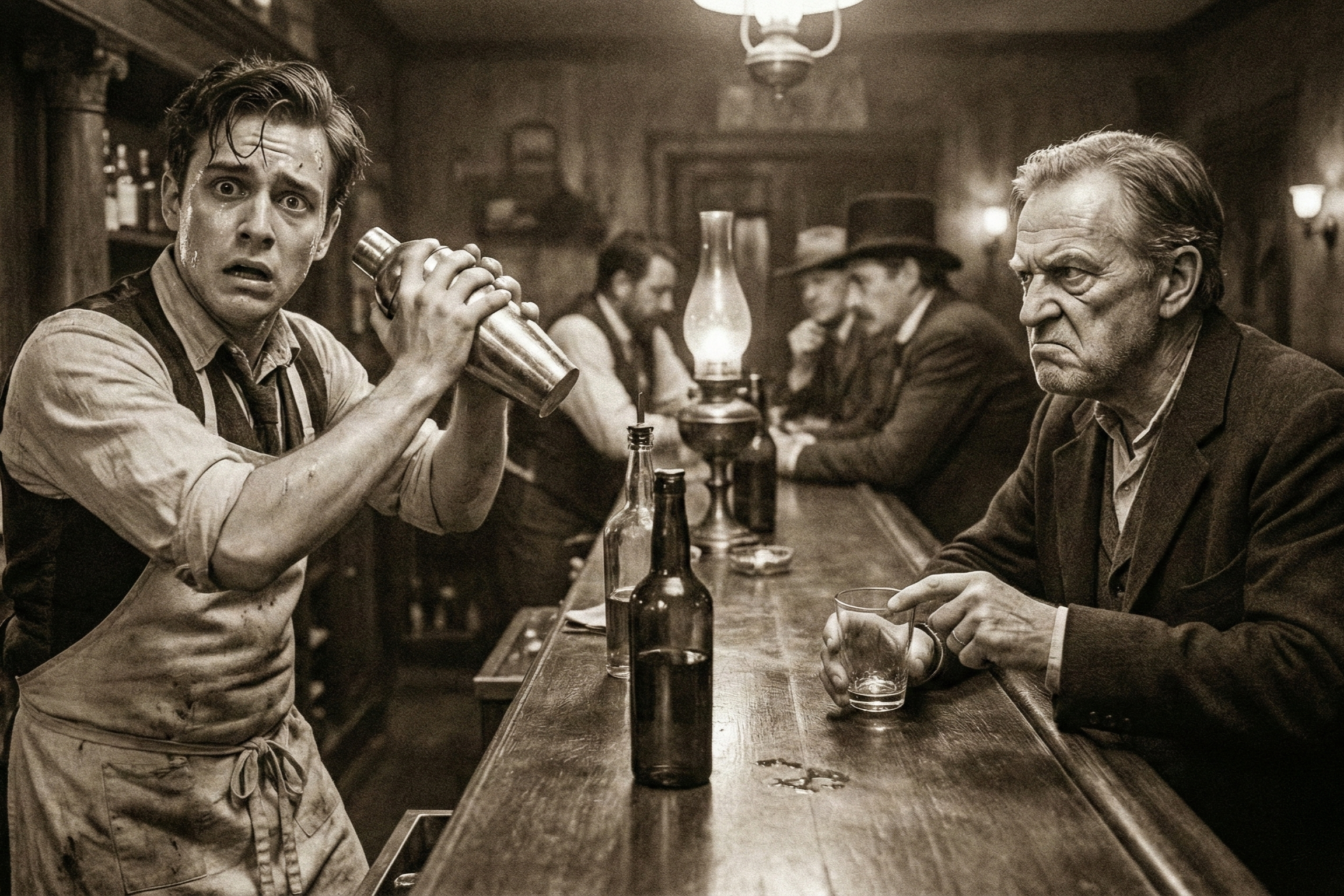
Every second a bartender spends with their back to the guest, aggressively shaking a tin, is a second stolen from the Guest Experience.
Hospitality Barriers: Hospitality thrives on eye contact and anticipation of needs. If your staff is buried in complex builds, they aren't selling the next round or processing payments—they are just surviving the shift.
The Physical Cost: We don’t talk enough about "Bartender’s Shoulder." Repetitive motion injuries from hundreds of shakes a night lead to burnout, increased turnover, and a staff that is physically exhausted before the shift is even over.
The ritual is iconic.
The overhead is unsustainable.
Moving Beyond the Shaker
The problems of cost, consistency, and labor are inherent to the old way of doing things. Solving them requires more than just better training—it requires a fundamental shift in how we think about the chemistry and delivery of a perfect cocktail.